


Choosing the right tile finish plays a major role in how a space looks, feels, and performs over time. With evolving interior and exterior design trends, homeowners and architects often find themselves confused between carving tiles and textured tiles.
Both options offer unique advantages in terms of design, durability, and usability. However, the right choice depends on where the tiles will be used and what kind of experience you want to create.
In this guide, we’ll compare carving tiles vs textured tiles in detail, helping you make a confident and informed decision for your project.
What Are Carving Tiles?
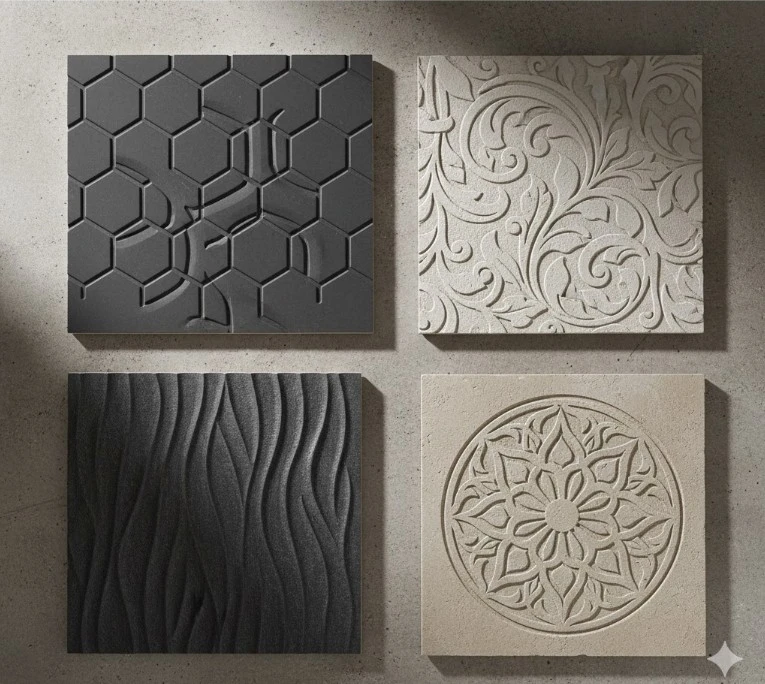
Carving tiles are premium vitrified tiles created using advanced carving technology. These tiles feature precision-cut patterns that create a raised or engraved design on the surface.
The carved details add depth, elegance, and a luxurious feel to interiors. Unlike printed tiles, carving tiles provide a three-dimensional effect that enhances visual appeal.
Key Features of Carving Tiles
-
Sophisticated and artistic surface finish
-
Sharp detailing with clean edges
-
Ideal for statement walls and premium interiors
-
Available in matt and subtle textured finishes
Carving floor tiles are widely used in living rooms, bedrooms, and feature walls where aesthetics are a top priority.
What Are Textured Tiles?
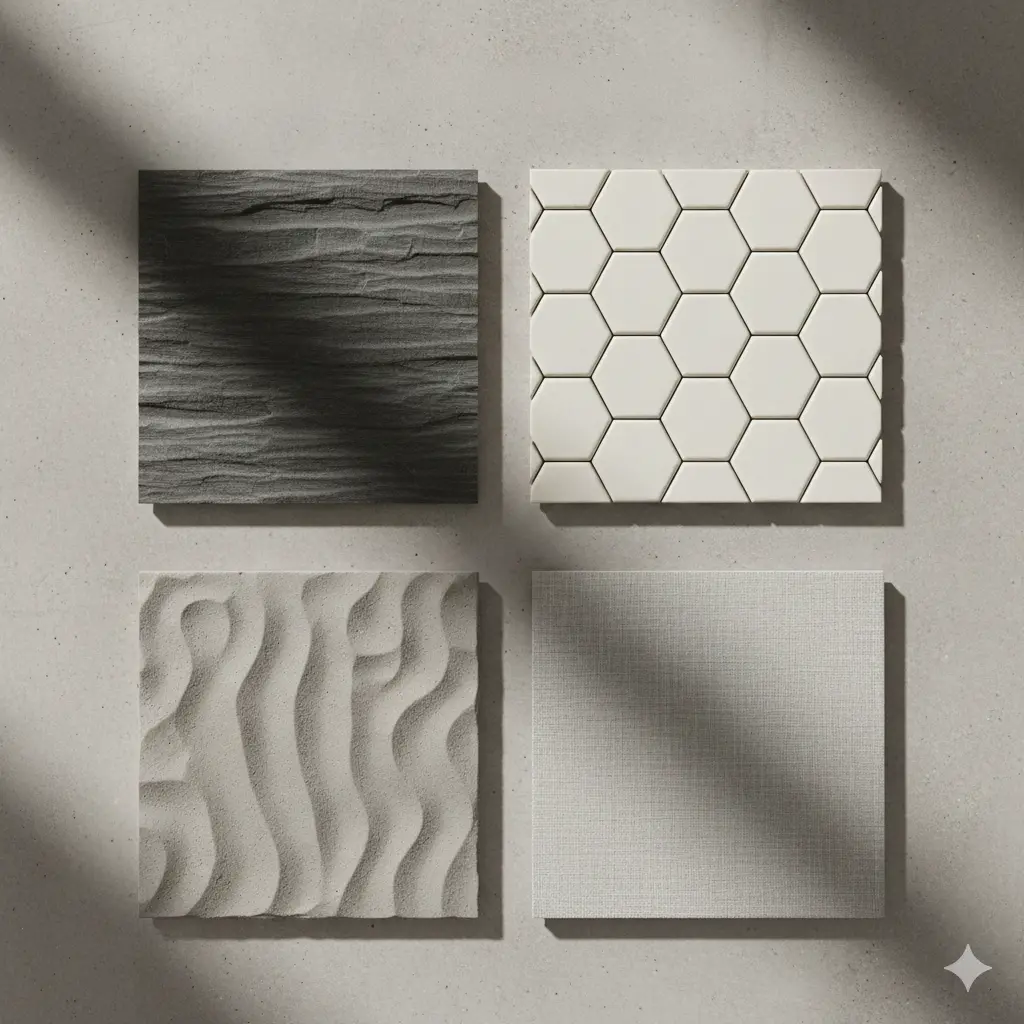
Textured tiles are designed with surface variations that mimic natural materials like stone, wood, or concrete. These textures are not just decorative but also functional.
Textured tiles improve grip, making them a safer option for areas prone to moisture or heavy foot traffic.
Key Features of Textured Tiles
-
Enhanced slip resistance
-
Natural and earthy appearance
-
Suitable for indoor and outdoor use
-
Available in multiple texture depths
Options like textured porcelain tile and textured floor tiles are popular for both residential and commercial applications.
Carving Tiles vs Textured Tiles: Key Differences at a Glance
| Factor | Carving Tiles | Textured Tiles |
|---|---|---|
| Visual Style | Sharp detailing, premium, elegant | Bold depth, natural/industrial, 3D feel |
| Best Use | Feature walls, living areas, premium accents | Wet areas, high-traffic floors, statement walls |
| Grip / Safety | Depends on finish (matt improves grip) | Often better grip due to surface texture |
| Cleaning | Grooves may collect dust; easy routine needed | Can hide dirt, but deep texture needs brushing sometimes |
| Light Impact | Highlights lines, looks “luxury” under lighting | Creates shadows, adds dramatic depth |
| Wear Visibility | Can show scratches on high-gloss finishes | Often hides scuffs better (depends on texture depth) |
| Budget | Varies by design complexity | Varies by texture, material, and finish |
Design Impact: Which Looks More Premium?
If your priority is a refined, high-end look, carving tiles usually feel more premium at first glance. The carved lines look intentional, clean, and architectural especially in larger formats and good lighting.
Textured tiles feel premium in a different way. They give material depth and a more tactile style. This works beautifully in contemporary homes, boutique cafés, and spaces that want a bold surface character.
A simple rule: carving tends to look elegant and polished; textured tends to look bold and dimensional.
Performance in Real Homes: Grip, Safety, and Comfort
For safety, texture often wins especially in wet zones. Many people choose textured floor tiles where slips are a risk because the surface provides better traction.
Carving can still be safe if you pick the right finish. For example, carving matt tiles generally feel less slippery than glossy finishes, making them more suitable for practical areas.
Comfort matters too. Heavy textures can feel rough underfoot in barefoot zones. If you want comfort + grip, choose moderate textures rather than very aggressive ones.
Cleaning & Maintenance: Which Is Easier Day-to-Day?
Carving surfaces can trap dust in the lines, especially on light colors. The solution is simple: regular sweeping and an occasional microfiber mop keeps it clean without much effort.
Textured surfaces often hide dust better, but deep patterns may need a soft brush in corners or grout lines. In kitchens, grease can cling to heavy textures, so cleaning needs a bit more attention.
If your home has pets, construction dust nearby, or daily cooking, pick a finish that matches your cleaning habits not just the showroom look.
Best Applications Room-by-Room
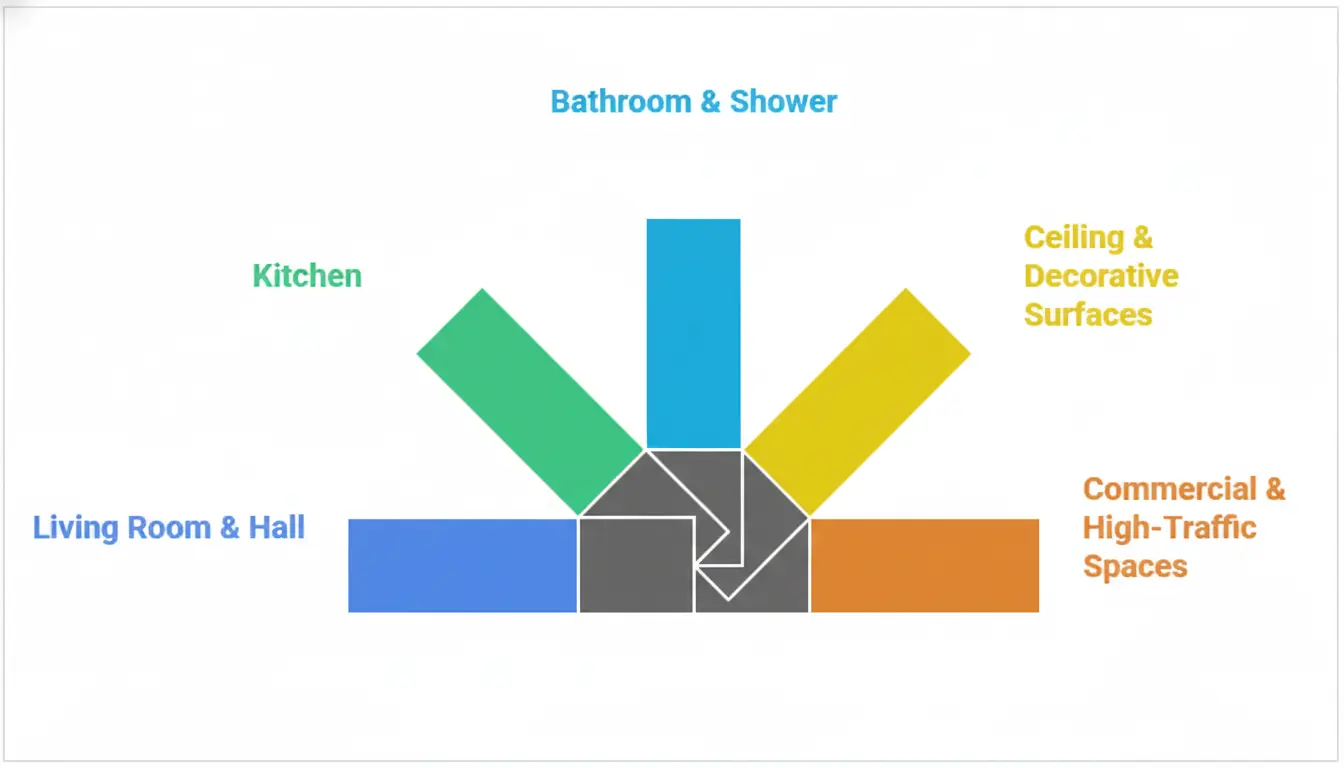
Living Room & Hall
Carving tiles are perfect for feature walls like TV units, sofa back walls, foyer statements, and elegant corridors. They add luxury without making the room feel busy.
For floors, carving floor tiles work well in low-to-medium traffic areas where you want style and easy maintenance. Choose matte if you want a calmer look and better grip.
Kitchen
For backsplashes, a textured subway tile can look stunning especially in modern kitchens where you want a clean shape with added depth. It works best when the texture is not too deep, so cleaning stays simple.
For floors, textured kitchen tiles are a smart option if the area sees frequent spills. Aim for practical traction and avoid overly rough textures that trap grease.
Bathroom & Shower
Wet zones are where performance matters most. Textured bathroom tiles are commonly chosen for safety in daily use, especially for older family members and kids.
Inside the shower area, textured shower tile can reduce slip risk. For walls, you can use softer textures for style without adding cleaning difficulty.
If you want the carving look, plan it strategically carving tiles bathroom can look premium on vanity walls or dry-zone feature walls, while the floor can use safer texture.
Ceiling & Decorative Surfaces
Some homeowners use textured ceiling tiles to add dimension in lobbies, dining areas, or luxury bedrooms. This can be a great design move, but keep dust in mind and ensure the ceiling height can handle the visual detail.
Commercial & High-Traffic Spaces
Textured surfaces often handle daily footfall better in terms of hiding marks. For premium lobbies, a mix works well: carving walls for luxury + textured floors for safety.
Choosing by Tile Material, Size, and Lighting
Material makes a difference. A textured porcelain tile is popular because porcelain is durable, low-porosity, and suitable for many indoor spaces.
Size matters too. Large-format tiles reduce grout lines, which makes cleaning easier and the space feel more premium. Carving patterns look cleaner on larger tiles, while textured patterns can feel more dramatic.
Lighting is the secret weapon. Carving looks best under directional lighting that highlights the grooves. Texture looks best when you want shadow depth and a more architectural mood.
Installation Considerations (Avoid Costly Mistakes)
Any tile finish will look good only if the base surface is properly prepared. Uneven substrates can make textures look inconsistent and can create lippage that feels uncomfortable underfoot.
Grout selection also affects the final look. With carving tiles, matching grout keeps it elegant. With textured tiles, a slightly darker grout can reduce visible staining in daily use.
For very deep textures, installers should ensure adhesive coverage is strong and even. Poor installation can lead to hollow sounds or future cracking.
Budget & Value: What Affects Cost?
Cost depends on finish complexity, tile size, design category, and brand grade. Carving patterns can sometimes cost more due to design detailing, while textured finishes can vary based on how deep and technical the texture is.
If you are comparing options, always review carving tiles price in relation to where you’ll use them. A smart approach is “feature area investment”: spend more on the wall or focal zone, and choose practical tiles for wide floor areas.
Value is not only the purchase price it’s also maintenance effort, slip safety, and how well the surface ages visually.
How to Choose Between Carving Tiles and Textured Tiles?
Choosing the right tile becomes easier when you consider these factors:
1. Area of Application
-
For walls and decorative areas, carving tiles work best.
-
For floors and wet zones, textured tiles are safer.
2. Design Preference
-
If you want luxury and detailing, go for carving tiles.
-
If you prefer natural finishes, textured tiles are ideal.
3. Safety Needs
-
Textured floor tiles offer better grip and peace of mind.
4. Budget
-
Evaluate carving tiles price against your design priorities and project scale.
Choosing the Right Finish with Liberta Vitrified
For homeowners, architects, and builders who want a premium finish with reliable performance, Liberta Vitrified-style collections typically work best when you match finish to function.
Use carving tiles when you want luxury detailing in living spaces, feature walls, and elegant corridors. Use textured tiles where grip and durability matter, such as kitchens, bathrooms, and high-traffic areas.
The most premium homes often mix both: carving for visual impact and texture for safety creating a balanced, practical, and high-end result.
Conclusion: Which Tile Should You Choose?
Both carving tiles and textured tiles bring unique advantages to modern interiors. Carving tiles are perfect for adding sophistication and visual drama to indoor spaces, while textured tiles excel in functionality, safety, and versatility.
If you want a striking design element for walls or controlled indoor floors, carving tiles are an excellent choice. For bathrooms, kitchens, and areas requiring durability and grip, textured tiles offer superior performance.
Ultimately, the right choice depends on your space, design vision, and practical needs. By balancing aesthetics with functionality, you can select tiles that enhance both the beauty and usability of your environment.
FAQ
1. Can I use textured wall tiles in a living room?
Yes textured wall tiles look great on TV walls, entry features, and behind sofas.
2. Are textured bathroom tiles only for floors?
No textured bathroom tiles can be used on walls too, especially for feature zones.
3. Can I use carving matt tiles in commercial areas?
Yes, especially on walls and moderate-traffic floors where you want a premium look with practicality.
4. What’s the best option for shower safety?
Choose textured shower tile on the shower floor for better traction.
5. Do textured kitchen tiles stain easily?
Not necessarily, but deeper textures may hold grease choose moderate textures for easier cleaning