

Large-format tiles have become a top choice for modern homes and commercial spaces. Their seamless look, luxurious appeal, and minimal joint lines make them perfect for floors and walls. But to achieve that flawless finish, choosing the right tile grout width and color is essential. Grout is more than just a filler between tiles it plays a major role in aesthetics, durability, and long-term maintenance.
If you are using premium vitrified tiles, the right grouting approach ensures your tiles perform beautifully for many years. This guide helps you understand everything you must know about grout width, grout color, and the best practices for large-format tile installation.
What Is Tile Grout?
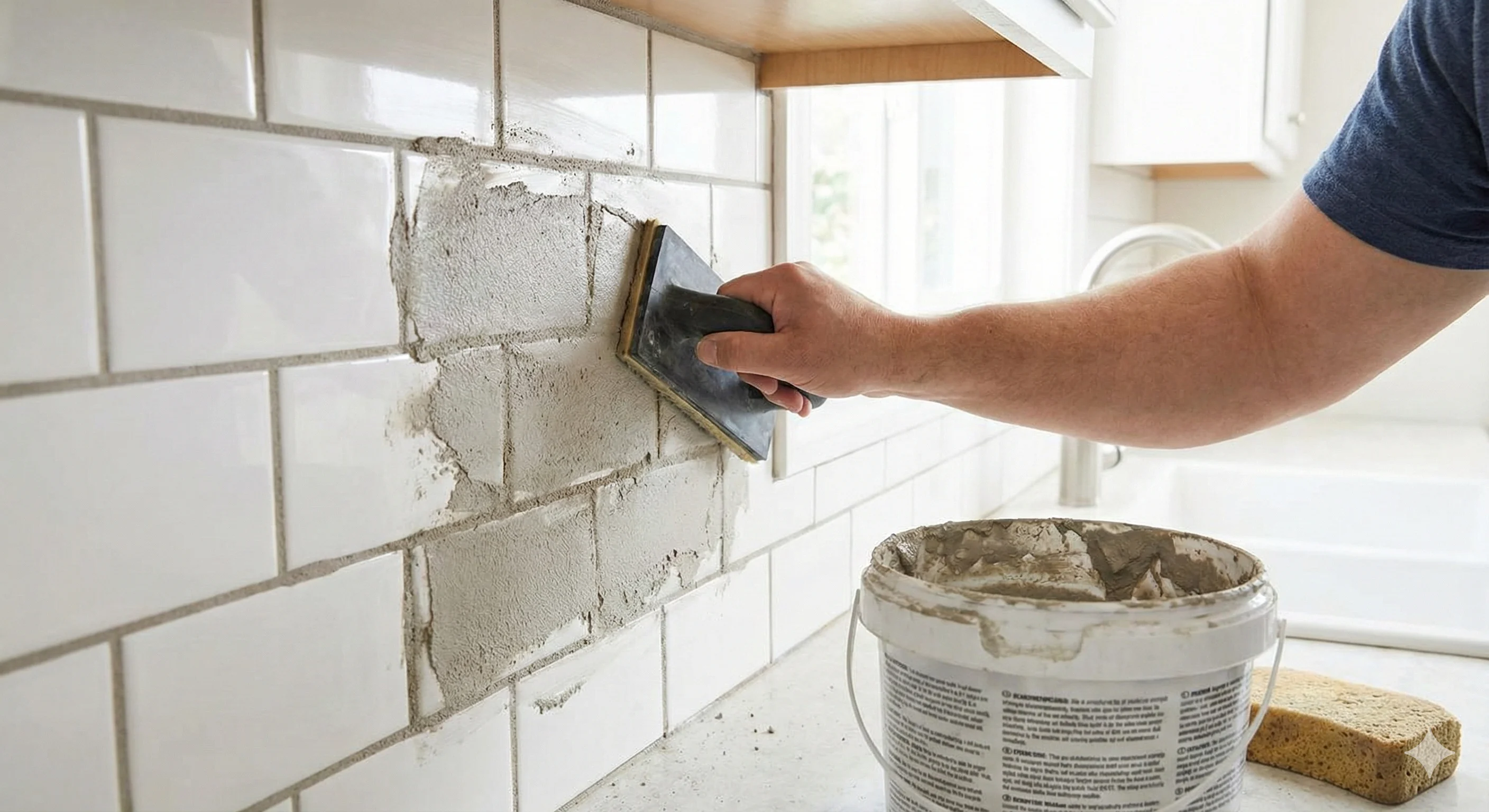
Grout is a mixture used to fill the gaps between tiles. It locks tiles in place, strengthens the installation, and prevents moisture from entering the joints. Many homeowners overlook grouting, thinking of it as a small detail. However, it directly affects the stability, look, and lifespan of your tile surface.
Large tiles have fewer joints, which means the grout you choose must be high-quality and properly applied. Proper grouting helps:
-
Maintain tile alignment
-
Absorb minor movement in the floor
-
Prevent cracks and lippage
-
Increase water resistance
-
Improve overall appearance
Without the right grout width and color, even the most premium tiles may not achieve the desired impact.
Why Grout Matters for Large Tiles
Grout serves more than just a decorative function. It provides structural stability, protects edges from chipping, and prevents moisture from seeping under the tiles. For large-format tiles typically 24x24 inches or bigger grout becomes even more significant.
-
Structural Support: Large tiles can shift slightly due to weight and floor movement. Proper grouting helps maintain alignment and prevents cracking.
-
Moisture Barrier: Grout seals the gaps, reducing the risk of water damage, especially in kitchens and bathrooms.
-
Aesthetic Harmony: The grout color can either highlight the tiles or blend seamlessly for a uniform look.
Without proper attention to grout width and color, even the most premium tiles can lose their visual appeal.
How Grout Affects the Aesthetics of Large Tiles
Since large-format tiles create a wide and continuous surface, the grout plays a crucial aesthetic role. The width and color determine whether your space looks seamless or bold.
Here’s how grout influences tile appearance:
-
Narrow grout lines ensure a smooth, uninterrupted finish.
-
Contrasting grout colors create bold grid-like patterns.
-
Matching grout offers a minimalistic and spacious feel.
-
Proper joints reduce the visual impact of tile variations.
When working with vitrified, marble-look, or stone-look tiles, even a slight mismatch in grout color can break uniformity. That’s why choosing the right grout matters as much as selecting the right tile.
What Is the Ideal Grout Width for Large Tiles?
There is no one-size-fits-all grout width. The ideal joint size for large-format tiles depends on size, tile type, and installation conditions. However, most experts recommend the following:
-
2 mm to 3 mm for rectified tiles
-
3 mm to 5 mm for non-rectified tiles
-
Wider joints for outdoor spaces to accommodate expansion
-
Narrow joints for indoor walls and floors
Large vitrified tiles must have joints wide enough to allow slight movement. Extremely narrow joints may cause tiles to crack or pop due to expansion. If the substrate is not perfectly level, a slightly wider joint helps hide lippage.
Factors influencing ideal grout width:
-
Tile size: The bigger the tile, the more carefully the grout width must be selected.
-
Rectification: Rectified tiles allow narrow joints due to perfect edges.
-
Area of installation: Bathrooms, balconies, and outdoors need wider joints.
-
Expected foot traffic: High-traffic areas need more stable spacing.
-
Climate: In temperature-fluctuating regions, wider joints prevent damage.
Factors to Consider When Choosing the Right Grout Width
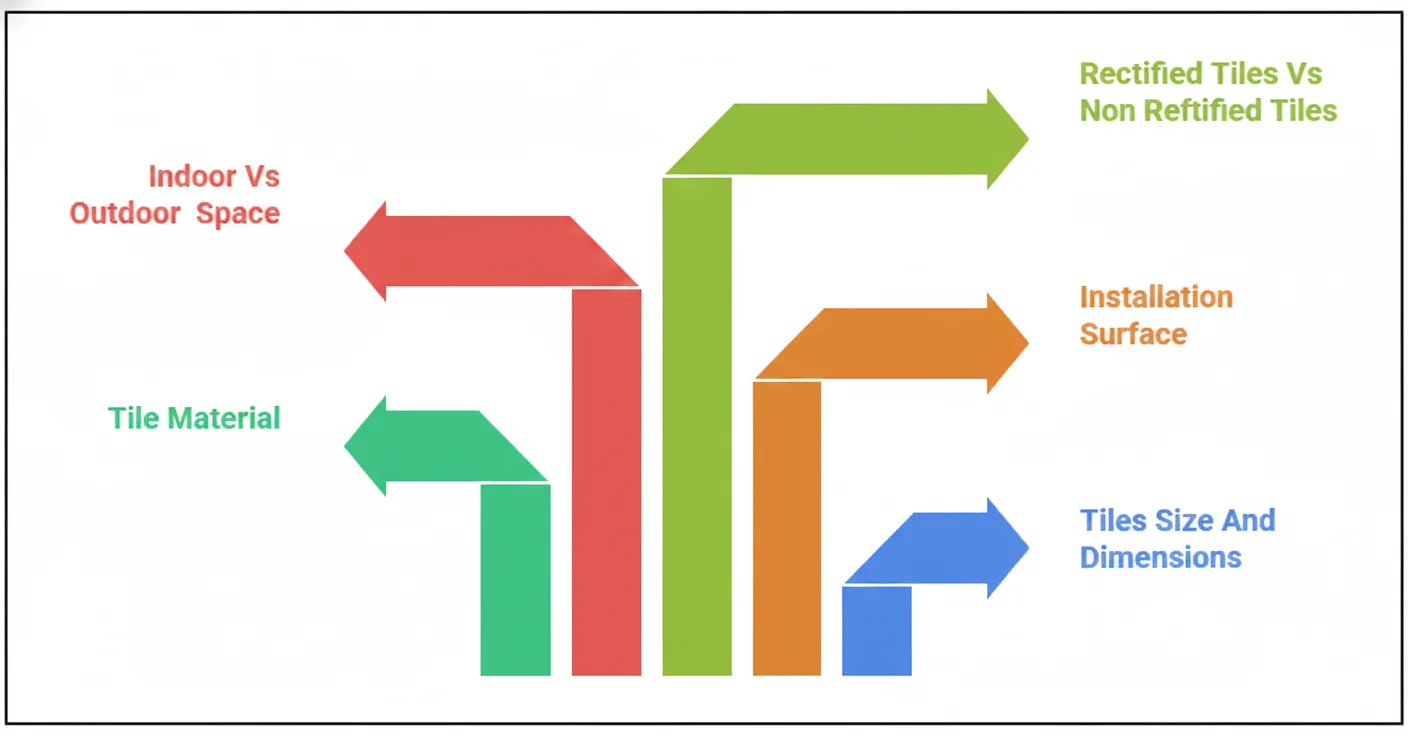
1. Tile Size and Dimensions
Large tiles require joints that offer balancing support. For mega slabs and full-body vitrified tiles, a minimum gap of 2 mm is essential.
2. Tile Material
Porcelain and vitrified tiles expand very slightly, but they still need enough space for proper bonding.
3. Installation Surface
Uneven surfaces may need slightly wider gaps to accommodate leveling adjustments.
4. Indoor vs Outdoor Space
Outdoor areas face heat, moisture, and temperature changes. A wider joint absorbs movement and prevents cracking.
5. Rectified vs Non-Rectified Tiles
Rectified tiles have precise, laser-cut edges, allowing narrower joints without affecting alignment.
Which Grout Color Is Best for Large Format Tiles?
Grout color selection is one of the biggest design decisions when using large tiles. The right color enhances beauty, while the wrong one can make tiles look mismatched.
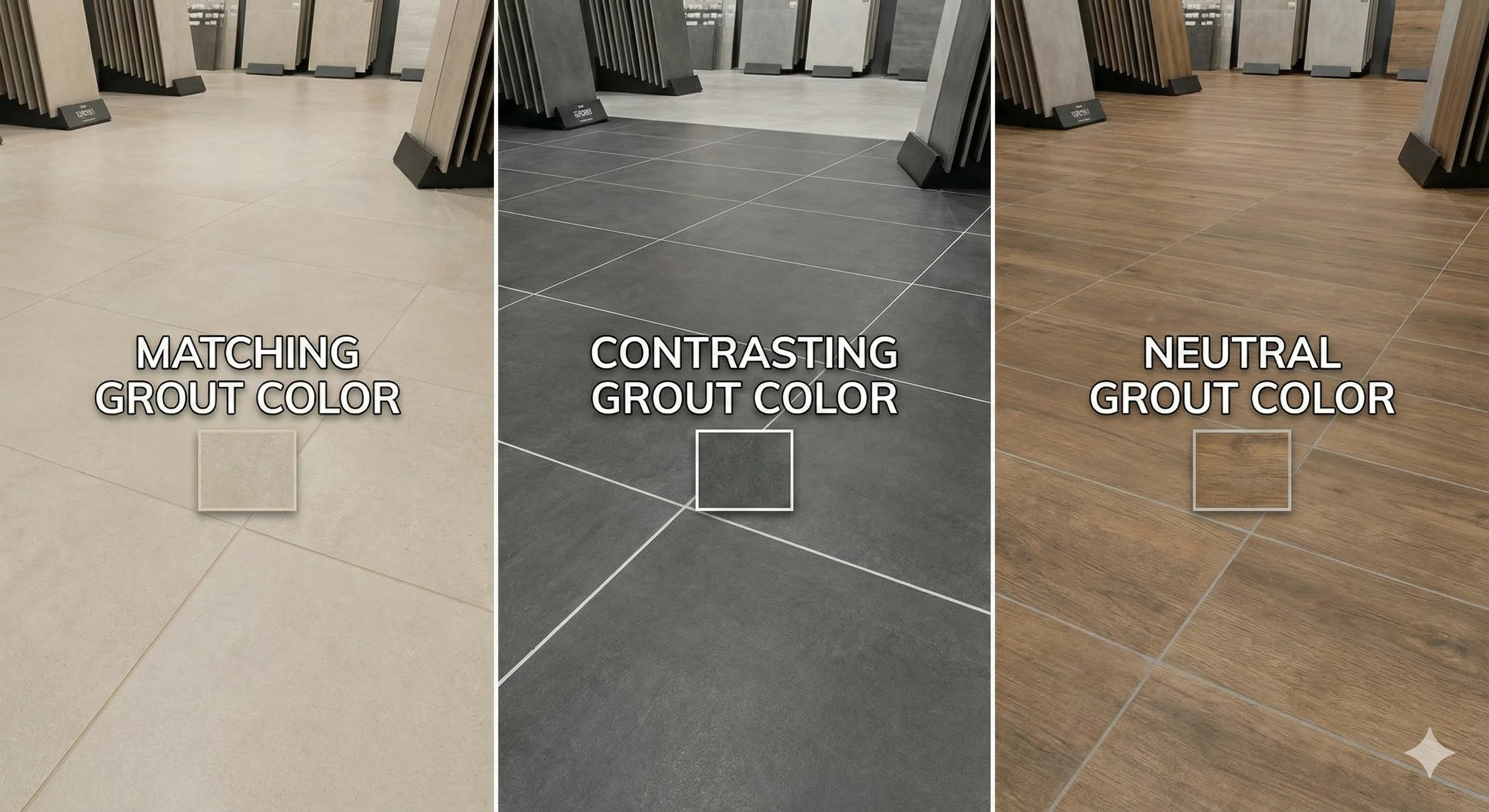
Here are the three main approaches to grout color selection:
1. Matching Grout Color
This creates a seamless, clean, and uniform look.
Perfect for:
-
Minimalist interiors
-
Modern homes
-
Marble-look tiles
-
Matte finish vitrified tiles
Matching grout makes spaces look bigger and more luxurious.
2. Contrasting Grout Color
A contrasting grout color highlights the tile edges, creating a geometric effect.
Best for:
-
Feature walls
-
Subway tiles
-
Vintage or industrial styles
Contrasting grout works well if your goal is to highlight patterns.
3. Neutral Grout Color
Neutral tones like grey, beige, and off-white suit most vitrified tiles.
Ideal for:
-
Stone-look tiles
-
High-traffic areas
Neutrals balance both aesthetics and maintenance.
How Grout Color Influences Tile Appearance
Grout color has a surprising impact on overall visual balance. It can:
-
Make spaces appear bigger or smaller
-
Highlight tile patterns
-
Influence brightness
-
Affect tile tone perception
-
Shape the overall design theme
For example:
-
Light grout blends seamlessly, giving a spacious feel.
-
Dark grout adds contrast and hides stains better.
-
Medium tones offer the safest and most versatile option.
To avoid mismatches, always compare grout and tile samples under similar lighting conditions.
Should Grout Be Darker or Lighter Than Tile?
This depends on the effect you want:
Choose darker grout when:
-
You need low maintenance.
-
The tile is installed in high-traffic areas.
-
You want a bold, structured look.
-
You are using textured, rustic, or industrial-style tiles.
Choose lighter grout when:
-
You want a seamless aesthetic.
-
The goal is to make the space feel larger.
-
You are using marble-look or glossy tiles.
-
The design approach is modern or luxury minimalism.
Choose same-tone grout when:
-
You prefer a smooth and uninterrupted finish.
-
You want the tile pattern to stand out more than the joints.
In large tiles, most homeowners choose matching grout for a luxurious effect.
Common Grouting Mistakes to Avoid
Installing large-format tiles requires precision. Avoid the following mistakes:
Using very narrow joints: Extremely thin or zero joints cause cracking, shifting, and tile damage.
Not mixing grout properly: Wrong consistency weakens the bond and causes premature failure.
Choosing the wrong color: A mismatch can ruin the entire tile design, especially for marble-look tiles.
Poor cleaning of excess grout: Residue left on the tile surface may cause staining and dullness.
Skipping grout sealing: Cement-based grout should be sealed to avoid moisture absorption.
By avoiding these mistakes, your large tiles will retain their beauty for years.
How Do You Maintain Tile Grout for Long-Term Durability? (PAA Question)
Proper maintenance keeps grout clean and strong, especially in heavy-use areas.
Regular cleaning: Use mild cleaners and soft brushes to remove dirt without damaging the surface.
Avoid harsh acids: Acidic cleaners can erode grout and weaken joints.
Seal the grout: Cementitious grout must be sealed once every 1–2 years.
Clean spills immediately: This prevents staining, especially in kitchens.
Check for cracks: Repair small cracks early before they expand.
Good grout maintenance enhances both hygiene and visual appeal.
Why Choosing the Right Tile Grout Matters for Large-Format Tiles
Large tiles offer unmatched elegance, but they perform well only when paired with the right grout. The width affects durability, alignment, and stability. The color affects aesthetics and design harmony. Together, they determine how your space looks and feels.
Whether you are installing tiles in a living room, kitchen, bathroom, commercial office, or outdoor area, grout selection is a crucial step that should never be rushed.
Conclusion
Large-format tiles continue to dominate modern interior design, but the real beauty lies in the details especially grout width and color. The right tile grout ensures durability, enhances visual appeal, and creates a flawless surface that elevates the entire space. Understanding how grout width affects performance and how color influences perception helps you make better decisions.
If you plan to upgrade your home or commercial space, explore the wide range of vitrified tiles from Liberta Vitrified. Pair them with the right grout choices to enjoy long-lasting elegance, strength, and style.