


Choosing the right flooring is one of the most important decisions when designing or renovating a home. Flooring sets the tone of your interiors, affects daily comfort, and plays a major role in long-term maintenance costs. Among today’s most popular options, wood look tiles and real wood flooring stand out for their timeless appeal and versatility.
While both options offer the warmth and elegance of wood, they differ greatly in performance, durability, and practicality. This detailed guide will help you understand the key differences so you can confidently choose the flooring that best suits your lifestyle, budget, and home environment.
What Are Wood Look Tiles?
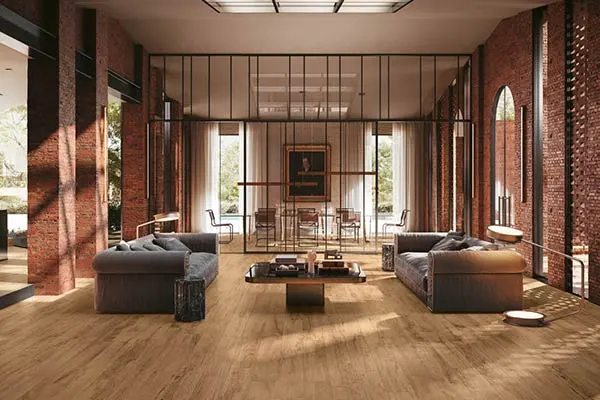
Wood look tiles are advanced ceramic or porcelain tiles designed to replicate the appearance of natural wood. Thanks to high-definition digital printing and modern manufacturing techniques, these tiles closely mimic wood grain, knots, and textures.
Most homeowners today prefer wood effect tiles made from porcelain because they offer superior strength, moisture resistance, and longevity. Wood look tile flooring is available in a wide range of colors, plank sizes, and finishes, making it suitable for both modern and traditional interiors.
Popular choices include wood effect porcelain tiles, porcelain wood tile, and porcelain tile that looks like wood, all of which deliver the beauty of timber without its limitations.
What Is Real Wood Flooring?
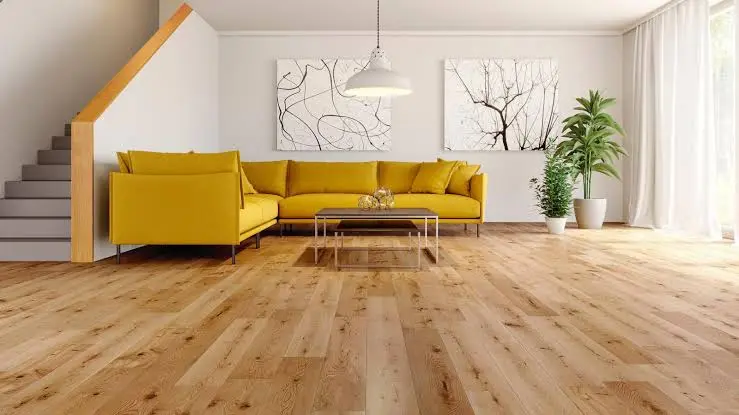
Real wood flooring is made from natural timber and includes solid wood and engineered wood options. Solid wood floors are crafted from a single piece of hardwood, while engineered flooring uses a real wood veneer layered over a plywood or HDF core.
Popular choices such as oak solid wood flooring and natural oak wood flooring are prized for their rich character, warmth, and unique grain patterns. Each plank is different, giving real wood floors a one-of-a-kind appearance that many homeowners value for luxury interiors.
Quick Comparison: Wood-Look Tiles vs Real Wood
Both options can deliver a warm, natural aesthetic. The difference is how they handle moisture, maintenance, wear, and long-term stability.
| Factor | Wood-Look Tiles (Porcelain/Ceramic) | Real Wood Flooring (Solid/Engineered) |
|---|---|---|
| Look & Style | Highly realistic grains + textures | Authentic grain and natural variation |
| Water Resistance | Excellent (best for wet zones) | Sensitive (depends on type + finish) |
| Scratch / Dent Resistance | Strong scratch resistance | Can scratch/dent (varies by species/finish) |
| Maintenance | Easy routine cleaning | Needs gentler cleaning + periodic refinishing |
| Comfort Underfoot | Cooler + harder feel | Warmer + softer feel |
| Lifespan | Very long with minimal change | Long, but finish may need renewal |
| Installation | Needs proper leveling + grout | Needs acclimatization + moisture checks |
| Long-Term Cost | Predictable, low maintenance | Can rise due to refinishing/repairs |
| Best Rooms | Kitchen, bathroom, living, entry | Bedrooms, living, dry areas |
If your home sees spills, humidity, or heavy use, wood look tile flooring often wins. If you want warmth and the authentic feel of timber, real wood flooring can be worth the extra care.
Appearance & Aesthetic Appeal: Tile vs Timber
When it comes to aesthetics, both wood effect tiles and real wood flooring deliver stunning results but in different ways.
Modern porcelain tile that looks like wood closely mimics natural grain patterns, knots, and even surface textures. With consistent color tones and plank sizes, wood look tile flooring creates a clean, uniform appearance ideal for contemporary interiors.
In contrast, real wood flooring stands out for its natural imperfections. The organic variations in oak solid wood flooring or other timber species add warmth and character that many homeowners find irreplaceable.
Key aesthetic differences:
-
Wood-look tiles offer consistency and design control
-
Real wood offers natural variation and authenticity
-
Tiles suit modern, minimalist, and high-traffic designs
-
Wood suits luxury, classic, and cozy interiors
Both options can elevate interior spaces when chosen thoughtfully.
Durability & Lifespan Comparison
Durability is one of the biggest deciding factors between wood look tiles and real wood flooring.
Wood look porcelain tile flooring is extremely durable. It resists:
-
Scratches
-
Dents
-
Moisture
-
Heat
-
Stains
This makes porcelain wood tile ideal for homes with pets, children, or heavy foot traffic. It also performs well in humid climates and areas exposed to water.
On the other hand, real wood flooring is more sensitive. Natural oak wood flooring can scratch, warp, or expand when exposed to moisture or temperature changes. While it can be refinished multiple times, improper care can shorten its lifespan.
Lifespan comparison:
-
Wood-look tiles: 30–50+ years with minimal wear
-
Real wood flooring: 20–40 years with proper maintenance
For long-term durability, wood effect porcelain tiles have a clear advantage.
Maintenance & Cleaning Requirements
Maintenance needs vary significantly between these two flooring options.
Wood look tile flooring is easy to maintain. Regular sweeping and mopping with water are usually enough. Because porcelain tile that looks like wood is water-resistant, spills do not cause damage.
In contrast, real wood flooring requires careful cleaning. Excess water can damage oak solid wood flooring, and periodic polishing, sealing, or refinishing is often needed to maintain its appearance.
Maintenance comparison:
-
Wood-look tiles: low maintenance, easy cleaning
-
Real wood flooring: high maintenance, sensitive to moisture
For busy households, wood effect floor tiles are a practical and stress-free option.
Cost Comparison: Initial & Long-Term Investment
Cost plays a crucial role when choosing between wood look tiles and real wood flooring.
Initial costs:
-
Wood-look tiles are generally more affordable
-
Oak solid wood flooring and premium wood options are expensive
Installation costs:
-
Tile installation may cost slightly more upfront
-
Wood installation can require specialized labor
Long-term costs:
-
Wood effect porcelain tiles have minimal maintenance expenses
-
Real wood flooring may need refinishing, repairs, or replacement
Over time, wood look porcelain tile flooring often proves to be more cost-effective and offers better value for money.
Room-by-Room Recommendation Guide
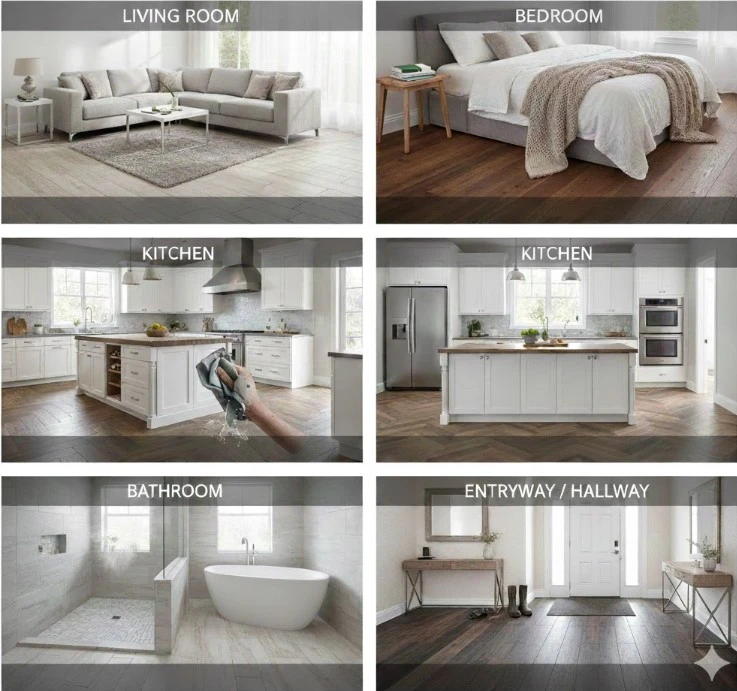
Living room: If you want durability with a warm look, wood look tile flooring works great especially in high traffic homes. Real wood also works well here if moisture is controlled.
Bedrooms: Many people love real wood flooring in bedrooms for warmth and comfort. Wood-look tiles can still work if you prefer easy cleaning.
Kitchen: Strong recommendation for wood effect floor tiles or porcelain tile that looks like wood due to spills, steam, and cleaning routines.
Bathroom: Tiles are the clear winner. Wood effect porcelain tiles give the wood vibe without the water-risk.
Entryway / hallway: Choose tile if your home sees dust, grit, and heavy footfall. Porcelain wood tile handles daily abrasion better.
Environmental Impact & Sustainability
Real wood flooring uses natural timber, raising concerns about deforestation if not sourced responsibly. While certified natural oak wood flooring can be sustainable, it still consumes valuable natural resources.
In comparison, wood look tiles are made from natural clay materials and have a longer lifespan, reducing the need for replacement. Many manufacturers now produce eco-friendly wood effect porcelain tiles with sustainable practices.
From an environmental standpoint, durable tile flooring often results in a lower long-term footprint.
Buying Checklist: How to Choose the Right Option
Use this quick checklist to decide confidently:
-
If your home has high moisture risk, choose wood look porcelain tile flooring.
-
If you want warmth and softness, choose real wood flooring.
-
If you want lowest maintenance, choose wood effect tiles.
-
If you love authentic oak character, consider natural oak wood flooring.
-
If you want a wood look with maximum durability, choose porcelain tile that looks like wood.
Why Choose Liberta Vitrified for Wood-Look Flooring?
If you love the warmth of wood but want the durability of tile, Liberta Vitrified’s wood look tiles are a smart pick for modern Indian homes. Their wood effect porcelain tiles are built to handle daily foot traffic, resist moisture, and stay easy to clean without losing the natural charm of timber.
Whether you’re planning a living room refresh or choosing porcelain tile that looks like wood for kitchens and bathrooms, Liberta Vitrified helps you achieve a premium, wood-inspired finish with long-term peace of mind.
Conclusion
If your priority is durability, water resistance, and easy cleaning, wood look tiles especially wood effect porcelain tiles are a practical, premium-looking choice for modern homes. If your priority is warmth, comfort, and authentic natural texture, real wood flooring can feel unmatched, particularly with premium options like oak solid wood flooring and natural oak wood flooring.
For many homeowners, the best solution is mixed use: tile in wet/high-traffic zones and wood in comfort-focused rooms. Brands like Liberta Vitrified typically make it easier to get that natural wood aesthetic with dependable everyday performance.
FAQs
1. Are wood look tiles good for bathrooms?
Yes. Porcelain wood tile is water-resistant and works well in bathrooms.
2. Do wood effect floor tiles look realistic?
High-quality wood effect tiles look very close to real wood, especially in matte finishes.
3. Which is better for kitchens: real wood flooring or wood look tile flooring?
Usually wood look tile flooring is better because it handles spills and cleaning easily.
4. Can real wood flooring be used in humid climates?
It can, but it needs moisture control and good installation engineered wood is often safer than solid wood.
5. Do wood look porcelain tile flooring options feel cold?
They can feel cooler than wood, but rugs and underlayment help a lot.